
Solar Guides
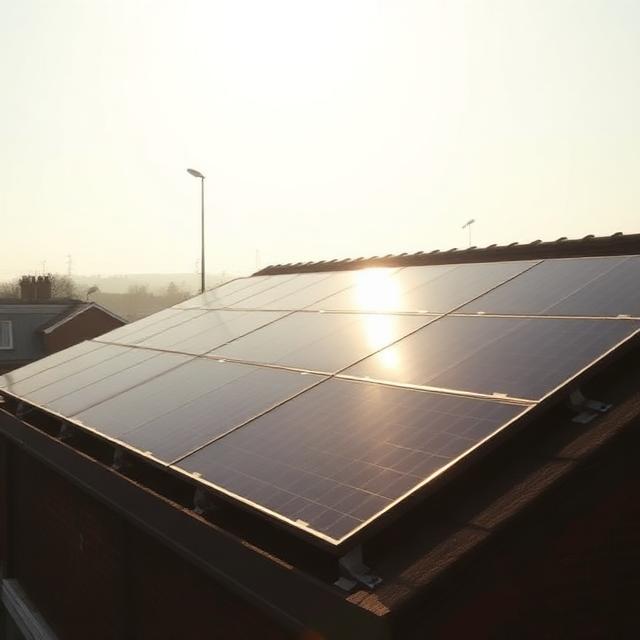
Best plug in solar panels UK 2026
Compare verified UK plug in solar kits, including current prices, key specifications and limitations.
Read the guide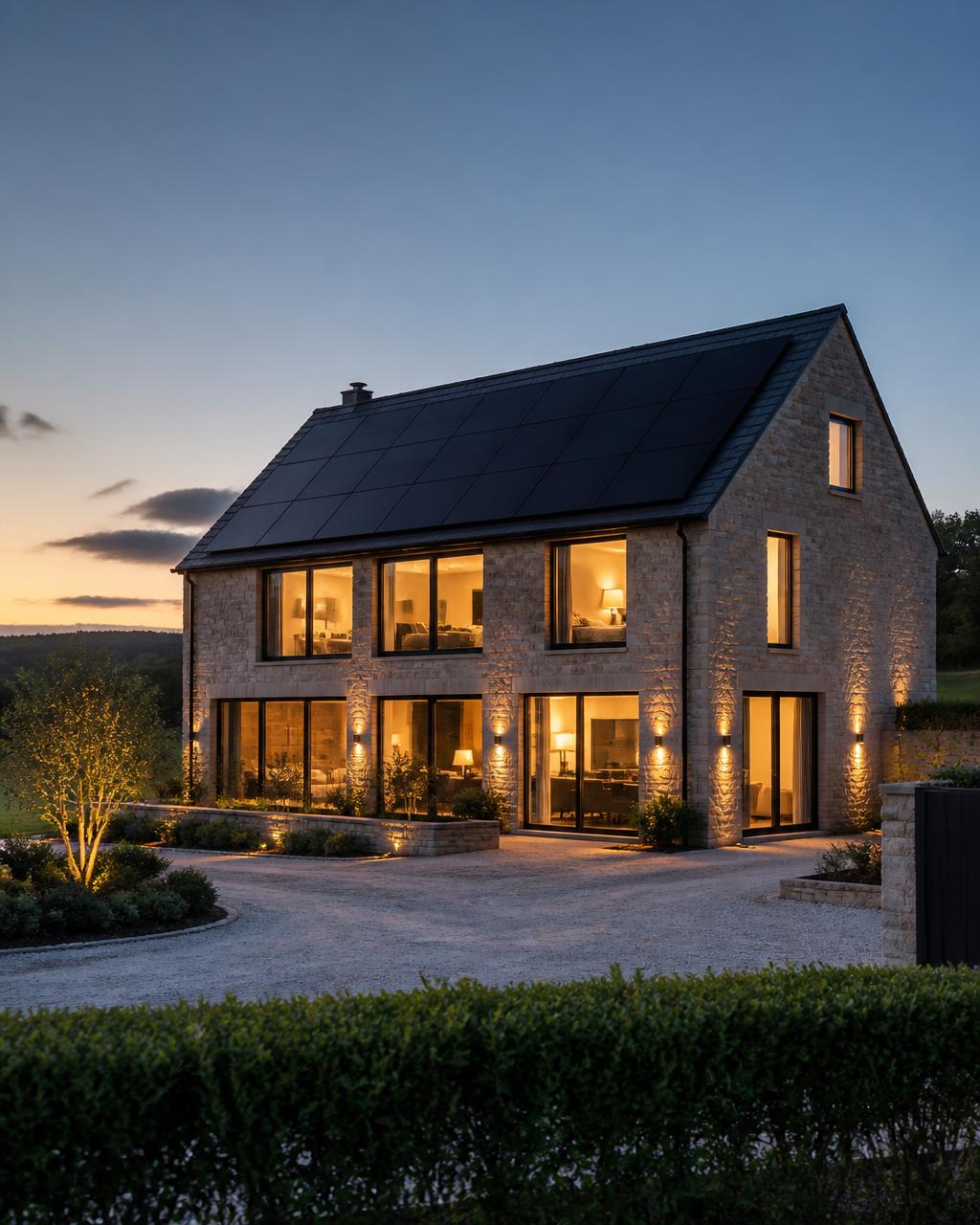
Generate clean electricity from your own roof and take greater control of the energy your home uses.
Horizon Living Group helps homeowners understand their options and connects them with suitable renewable energy specialists.
Solar explained simply
Solar photovoltaic panels turn daylight into electricity your home can use. The idea is simpler than most people expect, and the journey from roof to plug socket looks like this.
Solar panels convert daylight into electricity. They work throughout the year, even on cloudy days, though output is strongest in brighter conditions.
Your home can use the electricity being generated in real time, before drawing power from the grid.
If a battery is installed, surplus solar electricity can potentially be stored for use later, such as in the evening.
Depending on the system and your energy arrangement, surplus electricity may also be exported to the grid.
What your system generates and how much of it you can use depends on your roof, your household usage and the equipment installed.
Is my home suitable?
Many UK homes can benefit from solar in some form, and it is not only south facing roofs that can work. These are the main considerations a specialist will look at for your property.
South facing roofs often capture the most daylight, but east and west facing roofs can also work well. Trees and nearby buildings may reduce generation at certain times of day.
Chimneys, skylights and vents reduce the area available, so installers design around them. A smaller, well designed system can still contribute meaningfully.
The roof should be sound before panels are fitted. Daylight levels and local rules, such as those in conservation areas, can also play a part.
How much electricity your household uses, and when, helps determine the system size and whether battery storage is worth considering.
Every property is different. Suitability should ultimately be assessed for your individual home, based on your roof, your usage and your objectives.
Check My Solar OptionsFree assessment
Answer 7 simple questions about your home and energy use and get your personalised solar suitability result in around 2 minutes.
Check My Solar SuitabilitySolar costs
There is no single price for a solar system, because every installation is designed around an individual property. Costs vary depending on a number of factors, and market pricing changes over time.
Get a Solar QuoteQuotes should always be specific to your property. Be cautious of any price given without an assessment of your roof and electricity usage.
A common question
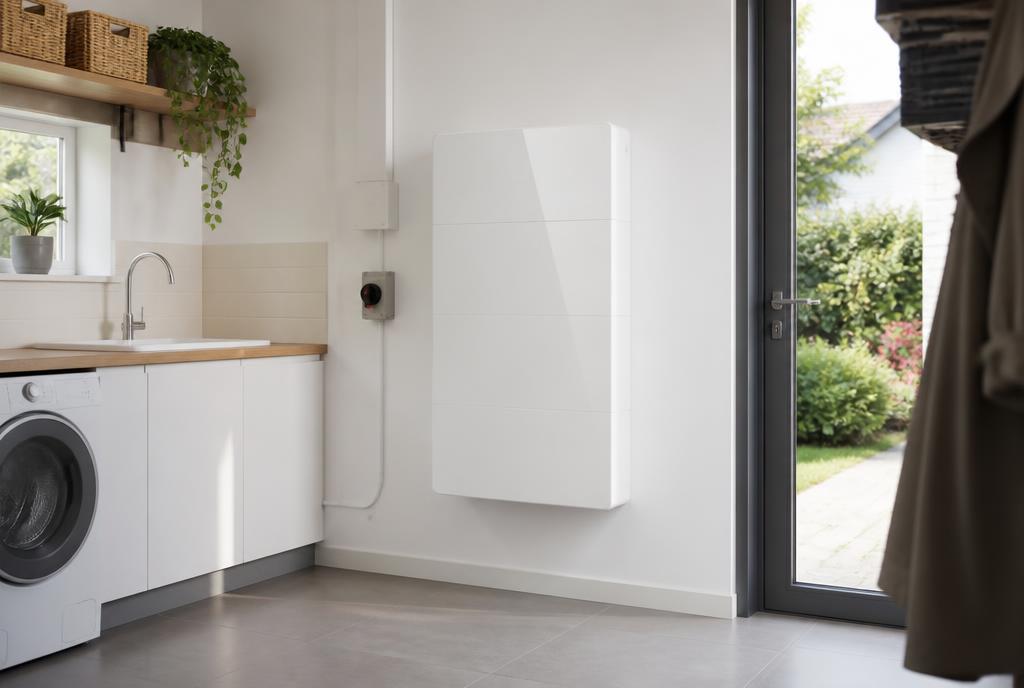
No. A battery is not compulsory, and many solar systems operate without one. Solar panels can power your home while they are generating, whether or not a battery is installed.
A battery can allow your household to store surplus solar generation and use it later, which may help you use more of what you generate. Whether a battery makes sense depends on your individual energy usage, generation patterns, tariff and objectives.
Explore Battery StorageExporting solar energy
If your system generates more than your home is using and you do not have a battery, surplus electricity can be exported to the grid. Under the Smart Export Guarantee, participating energy suppliers pay for eligible exported electricity. Rates and eligibility vary between suppliers and can change, so it is worth comparing current arrangements before deciding.
Solar FAQs
Straightforward answers to the questions UK homeowners ask most often. Where the answer depends on your property, location or supplier, we say so.
Yes. Panels generate from daylight rather than heat, so they still produce electricity in winter and under cloud, just at a lower level than in bright summer conditions.
Yes. South facing roofs often capture the most daylight across the day, but east and west facing roofs can also generate effectively, with production weighted towards the morning or afternoon.
Panels are designed to operate for decades and typically come with long manufacturer warranties, with output gradually declining over time. They have no moving parts and need little maintenance, though the inverter may have a shorter service life.
In many cases, yes. A battery can often be added to an existing solar system, though the approach depends on the equipment already installed. It is worth mentioning your plans when the system is designed.
Most domestic solar installations fall within permitted development rights. Exceptions can apply, for example for listed buildings or homes in conservation areas, so it is worth checking the rules for your property.
Solar guides
In depth guides from Horizon Living Group, written for homeowners rather than engineers.
Solar Guides
Compare verified UK plug in solar kits, including current prices, key specifications and limitations.
Read the guideSolar Guides
What panels actually do when the sun is not shining, and what that means for a typical British home.
Read the guide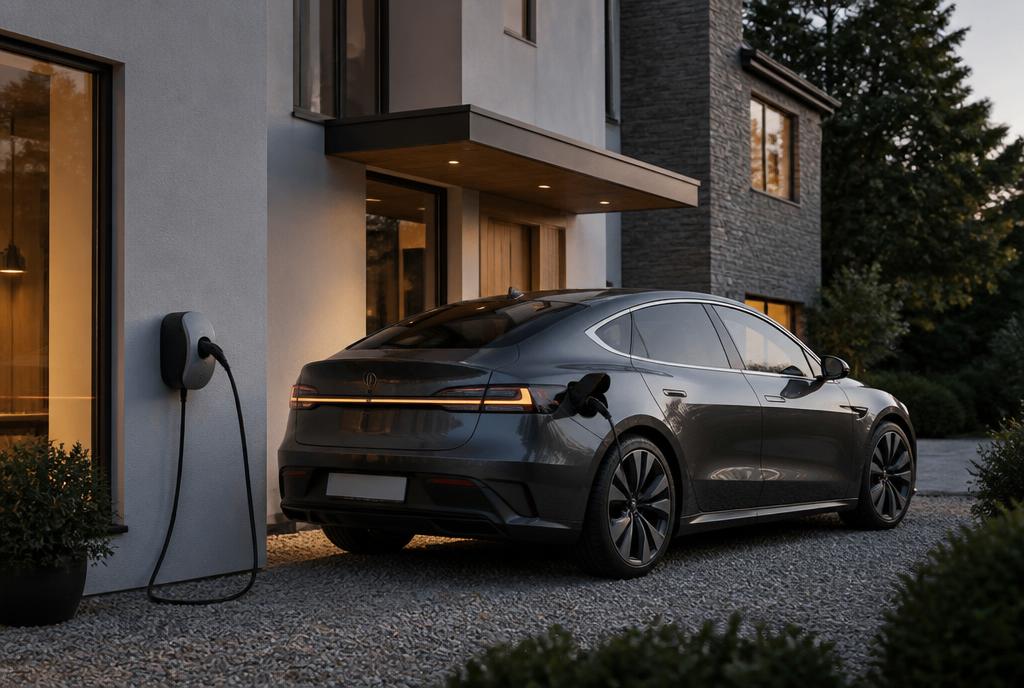
Solar and EV
How solar generation, home chargers and tariffs fit together for EV owners.
Read the guideBattery Guides
The questions to ask before adding battery storage to a solar system.
Read the guideTell us a little about your property and we’ll help you explore your options.
Get My Free Solar QuoteFree and no obligation. Move forward only when you are ready.