

Heat Pumps
Heat Pump Systems
Efficient heating and hot water from the air, and what to consider for your property.
Read the guide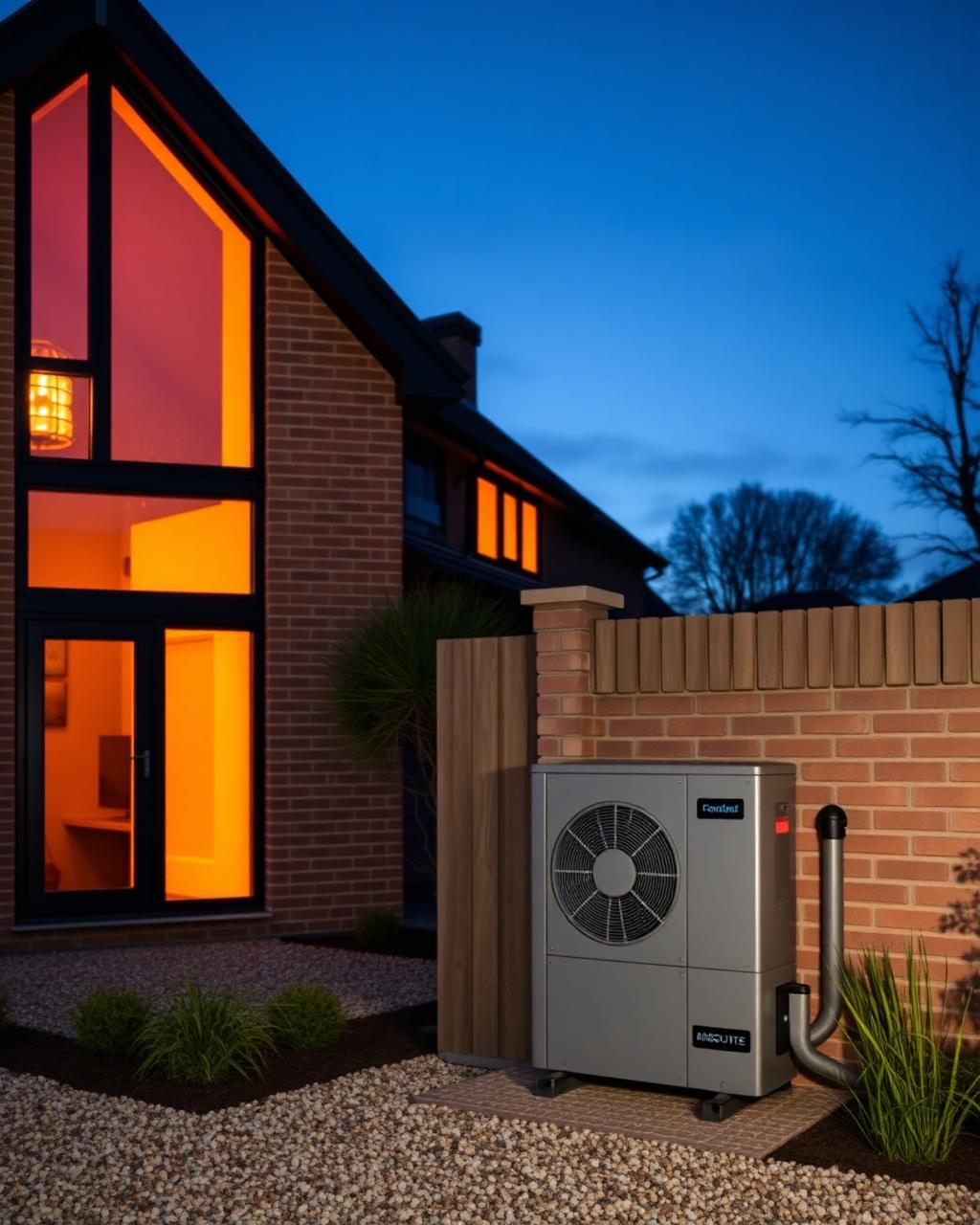
Heat pumps use energy from the environment to provide efficient heating and hot water for your home. Discover how they work, whether your property could be suitable and what support may be available.
Horizon Living Group helps you understand your options and connects you with suitable renewable energy specialists.
Heat pumps explained
A heat pump does not create heat by burning fuel. It moves heat that already exists in the environment and upgrades it to a temperature your home can use. Collect. Compress. Heat.
A heat pump captures low temperature heat from the outside environment. For an air source heat pump, that means heat from the outdoor air.
The system raises the temperature of that heat using a refrigeration cycle, the same principle found in a fridge, working in reverse.
The resulting heat is transferred into your home's heating and hot water system, warming radiators, underfloor heating and stored hot water.
A heat pump uses electricity to operate. Because it moves heat rather than generating it from scratch, it can deliver more heat energy than the electrical energy it consumes. How much depends on the system, the weather and how well the installation is designed.
Types of heat pump
Heat pumps all work on the same principle. What differs is where they collect heat from. For most UK homeowners the conversation starts with air source.
Collects heat from the outside air. The outdoor unit is compact and installation is usually the most straightforward option, which is why this is the practical starting point for most UK homes.
Collects heat from the ground through buried pipework. Ground temperatures stay stable year round, but trenches or boreholes and more extensive works mean this suits fewer properties.
Suitability
Many different types of UK home can work well with a properly designed system. Suitability comes down to how well your home retains heat, whether your radiators or underfloor heating suit lower flow temperatures and whether there is space outside for the unit and inside for a hot water cylinder.
Some homes keep their existing radiators, others need larger ones in certain rooms. A survey answers that before any work begins, so nothing is assumed.
Check My Heat Pump OptionsA specialist can survey your property, calculate its heat loss and explain honestly whether a heat pump suits it before you commit to anything.
Efficiency and running a heat pump
A heat pump does not behave quite like a gas boiler. Most households find the differences easy to live with once the system is set up correctly, and many prefer the steadier warmth.
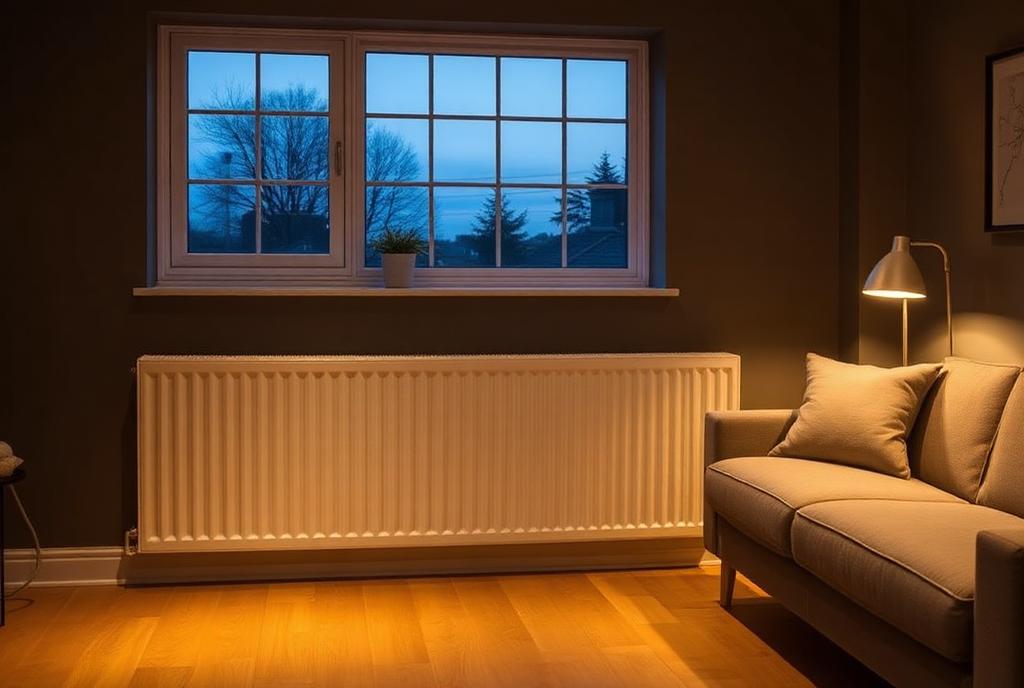
A heat pump typically runs for longer at lower temperatures. Radiators feel warm rather than very hot, while rooms stay comfortable.
Because it moves heat rather than burning fuel, a heat pump can deliver more heat energy than the electricity it uses. How much depends on the weather, the design and the flow temperatures.
Costs reflect your property, insulation, heating requirements, system design and current energy prices, so no generic figure will tell you what yours would be.
A correctly sized, well commissioned system with sensible controls is the single biggest factor in how a heat pump performs day to day.
Heat pump costs
There is no single price for a heat pump installation, because every system is designed around an individual property. The cost reflects the equipment chosen and the work involved, and market pricing changes over time.
Government support may reduce the upfront cost for eligible households, and the most reliable way to understand what a heat pump might cost for your home is to have your property assessed and receive quotes based on your circumstances.
Get a Heat Pump QuoteQuotes should always be specific to your property. Be cautious of any price given without a heat loss survey of your home.
Support with the cost
The Boiler Upgrade Scheme supports eligible homeowners in England and Wales installing qualifying low carbon heating, including air source heat pumps. The grant is normally applied for by the installer and deducted from the upfront cost.
Grant levels and eligibility change over time, so we keep current details on one page rather than repeating them here.
Explore Energy GrantsA wider home energy system
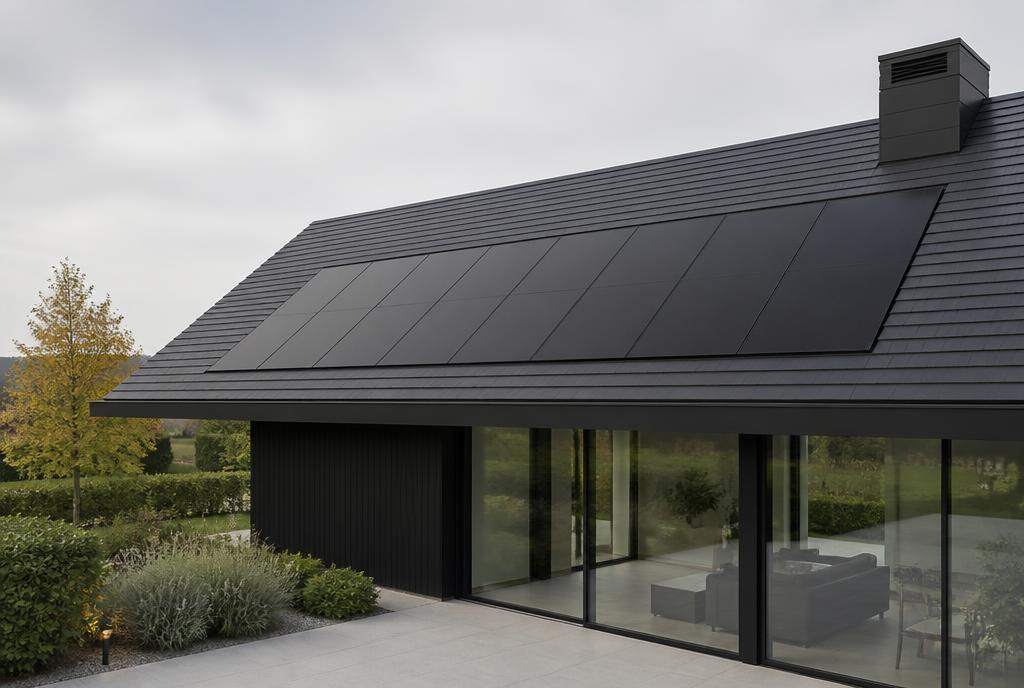
A heat pump runs on electricity, so it can sit naturally within a wider home energy system. Solar PV can generate electricity that contributes towards your household demand, including electricity used by a heat pump when generation and demand coincide.
Battery storage may also form part of the picture, retaining surplus solar generation for use later. Solar panels alone will not power a heat pump throughout the year, particularly during winter when heating demand is highest, but the technologies can complement each other well.
Heat pump FAQs
Straightforward answers to the questions UK homeowners ask most often. Where the answer depends on your property, system design, location or available support, we say so.
Yes, when correctly designed and sized for your property. Air source heat pumps continue to extract heat from the air in freezing conditions and are widely used in colder climates than the UK. Accurate heat loss calculations, suitable emitters and correct commissioning are what make the difference.
It depends. Some homes retain their existing radiators, while others benefit from larger ones in certain rooms. Underfloor heating pairs well with heat pumps but is not required. Heat loss calculations and the flow temperatures your system is designed around give the answer before any work begins.
Many heat pump installations include one to store domestic hot water, though requirements vary with the system design, your household's needs and the space available. If you currently have a combi boiler, this is worth discussing early.
It varies with your property's heat demand, insulation, system design, the weather and how you use your heating, as well as your energy prices. An assessment of your home gives a far clearer picture than any generic figure.
Costs vary with property size, heat loss, the specification chosen and the work involved, so quotes should always be specific to your home. Government support such as the Boiler Upgrade Scheme may reduce the upfront cost for eligible households. See our Energy Grants page for current schemes and eligibility.
Heat pump guides
In depth guides from Horizon Living Group, written for homeowners rather than engineers.
Heat Pumps
Efficient heating and hot water from the air, and what to consider for your property.
Read the guide
Energy Grants
The schemes that may help with the cost of low carbon heating and home energy improvements.
Read the guide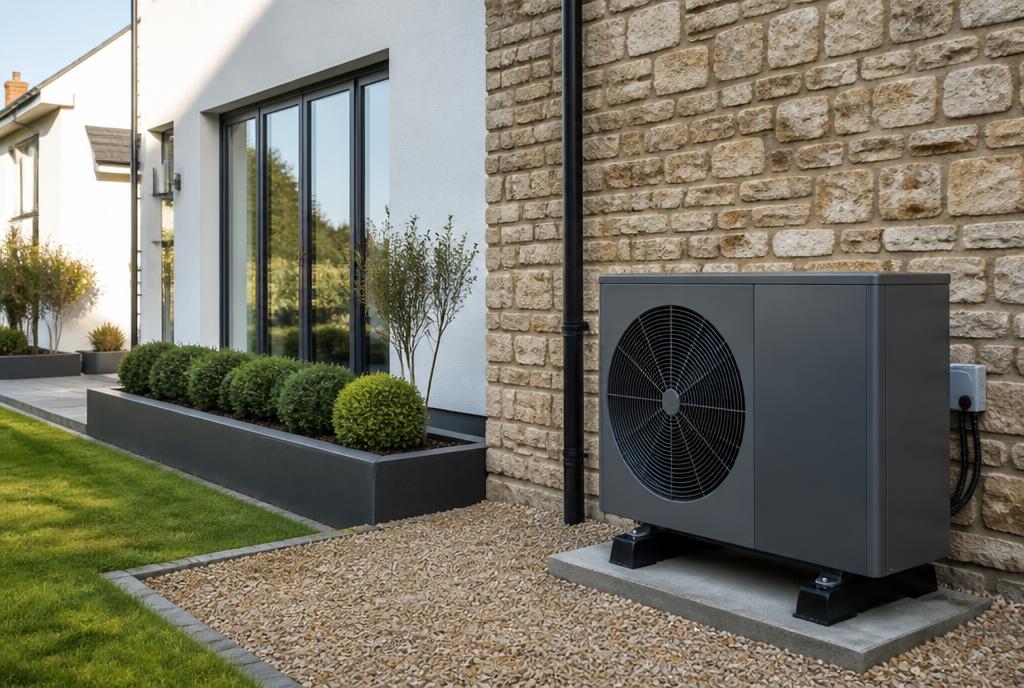
Smart Energy
How heat pumps, solar, batteries, EV chargers and tariffs can work together as one system.
Read the guideTell us a little about your property and your existing heating system. We’ll help you explore your options.
Get My Free Heat Pump QuoteFree and no obligation. Move forward only when you are ready.