
Solar
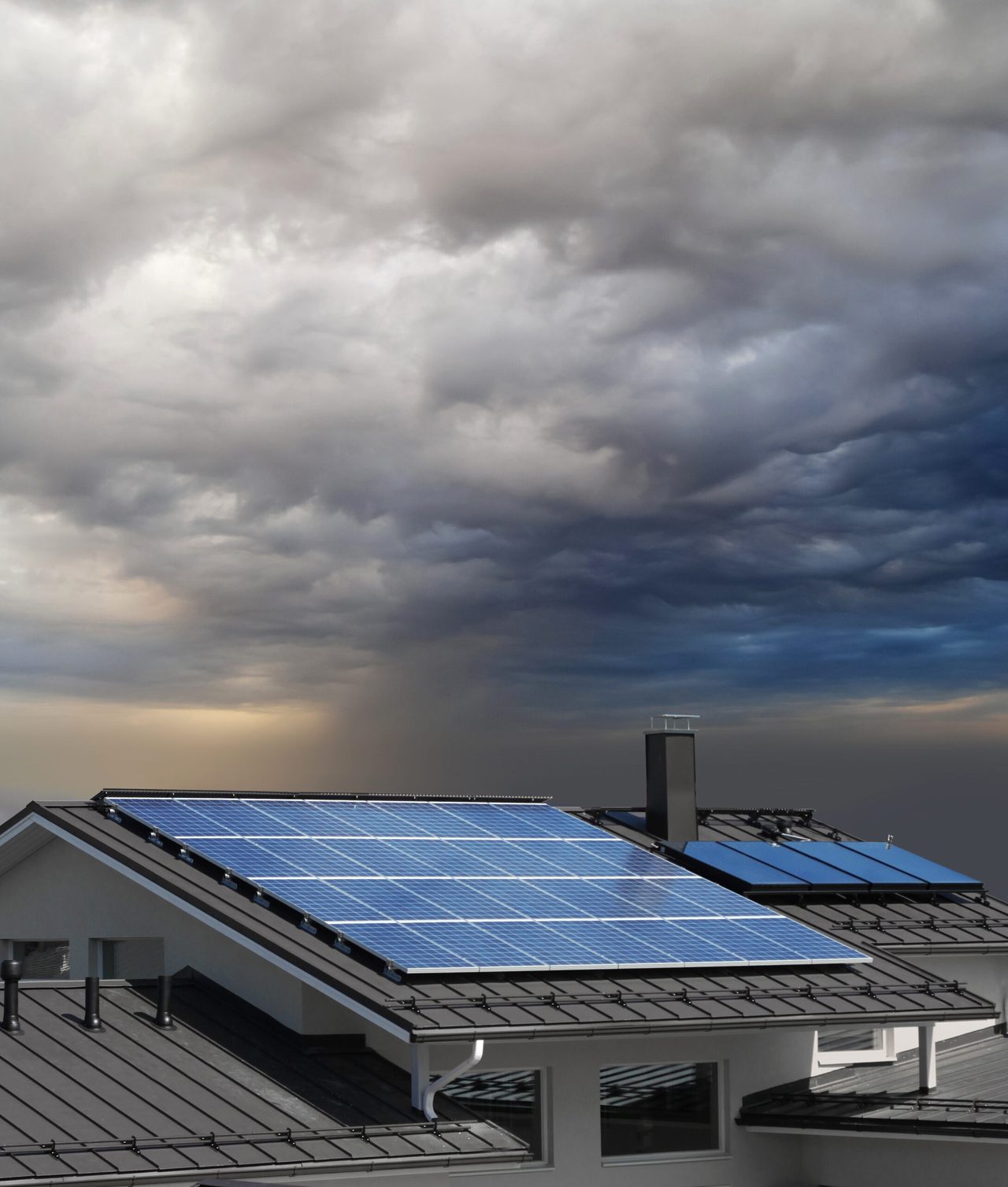
Do solar panels work on cloudy days?
What panels actually do when the sun is not shining, and what that means for a typical British home.
Updated July 2026
Read the guide
Solar Guides
Last updated: 27 August 2026
From 27 August 2026, plug in solar panels became legal to buy and use across Great Britain. This guide explains what changed, how much they can generate, what they might cost, who could benefit and where to look for compliant products.
Plug in solar panels are small solar generating kits designed to connect directly to a standard household mains socket. Unlike a conventional rooftop solar system, a compliant plug in solar kit does not require the same type of fixed electrical installation.
They are intended to generate electricity that a household can use while it is being produced, reducing the amount of electricity bought from the grid. Only compliant products intended for the Great Britain market should be used.
The current position
Plug in solar became legal across Great Britain from 27 August 2026. This is no longer a proposed or future change; the rules are now in force.
Compliant plug in solar kits can connect directly to a standard household mains socket, provided the system complies with the applicable Great Britain plug in solar safety and product requirements. The maximum AC output is 800W.
This does not mean any solar panel and inverter bought online can simply be plugged into a UK socket. Only compliant products intended for the Great Britain market should be used, and they should be installed and operated according to the manufacturer's instructions.
Government states that an appropriately positioned system could provide up to approximately 20% of an average household's electricity use. Actual generation depends heavily on panel position, orientation, shading and household electricity consumption.
Crucially, the value comes from using generated electricity within the home while it is being produced. How much you benefit depends on how much of that generation you use rather than how much the panels produce in total.
Government estimates potential electricity bill savings of up to approximately £110 per year. This is an estimate, not a guarantee.
Actual savings depend on how much generated electricity is used in the home, household consumption patterns, panel position and orientation, and current electricity prices. We do not claim guaranteed savings.
This is a newly launched market, so prices will develop as more compliant products reach retailers. There is no single definitive market price.
Cost is affected by product specification, panel capacity, mounting equipment and the retailer. As the UK market matures, a clearer picture of typical pricing should emerge. Treat any single price you see quoted as indicative rather than fixed.
For context, plug in solar is generally expected to be a lower cost entry point into home solar generation than a conventional professionally installed rooftop system. See our main solar PV guidance for the factors that shape a full rooftop installation.
Plug in solar may be particularly useful for people who cannot, or do not want to, install a conventional rooftop system. This includes:
It is worth being clear about expectations. Conventional, professionally installed rooftop solar will normally provide substantially greater generation and may be more appropriate for homeowners with suitable roofs and larger electricity requirements.
A simple way to think about the difference, without turning this into a technical comparison:
Plug in solar
Lower initial cost. Connects to a standard socket without fixed installation. Smaller system size, capped at 800W. Modest generation suited to reducing daytime grid use. Well suited to renters and flats with permission. Limited long term energy potential compared with a full roof array.
Rooftop solar
Higher initial cost and a fixed, professional installation. Much larger system size and generation. Suited to homeowners with suitable roofs. Substantially greater long term energy potential, and more likely to justify adding battery storage.
Compliant products are beginning to appear through major UK retailers and specialist solar suppliers. Because this market only opened on 27 August 2026, availability will grow as more compliant kits reach retailers.
Buy compliant equipment from reputable manufacturers or retailers, and confirm that the exact product is intended for the Great Britain market before purchasing. Our concise guide to the best verified plug in solar panels available in the UK compares current prices, specifications and limitations.
Read carefully
Buy compliant equipment from reputable manufacturers or retailers and follow the manufacturer's installation and operating instructions. Panels must not obstruct fire escapes, balconies, windows, shared access routes or emergency access.
Renters should obtain any necessary landlord permission, and leaseholders or flat owners may need freeholder or managing agent permission. Planning, building and property restrictions can still apply depending on where and how panels are installed.
If you have concerns about the condition of your home's electrical installation, obtain appropriate professional electrical advice before connecting a system. This guide does not provide DIY electrical modification instructions.
Treat plug in solar primarily as a way to reduce electricity purchased from the grid by using generated electricity within the home. Do not assume Smart Export Guarantee payments or export income will apply.
Any registration or notification requirements should be confirmed through official sources rather than assumed. We have not described a simplified registration process, because one is not confirmed and operational in a form we can state with confidence. Confirm the current position with official guidance before relying on it.
FAQs
Yes. From 27 August 2026, compliant plug in solar kits can be bought and used across Great Britain. They must meet the applicable Great Britain plug in solar safety and product requirements, and a compliant system can connect directly to a standard household mains socket without the fixed electrical installation conventional rooftop solar requires.
The maximum AC output is 800W. Government suggests an appropriately positioned system could provide up to around 20% of an average household's electricity use. Actual generation depends on panel position, orientation, shading and how much generated electricity is used while it is being produced.
Government estimates potential savings of up to around £110 per year. Savings are not guaranteed and depend on how much of the generated electricity you use in the home rather than how much the panels produce in total.
They are one of the groups who could benefit most. Renters should obtain any necessary landlord permission, and leaseholders or flat owners may need freeholder or managing agent permission. Planning, building and property restrictions can still apply depending on where and how panels are installed.
Plug in solar should primarily be seen as a way to reduce electricity bought from the grid by using generation within the home. Do not assume Smart Export Guarantee payments or export income will apply. Any registration or notification requirements should be confirmed through official sources before relying on them.
Related Horizon Living guides
Solar
What panels actually do when the sun is not shining, and what that means for a typical British home.
Updated July 2026
Read the guide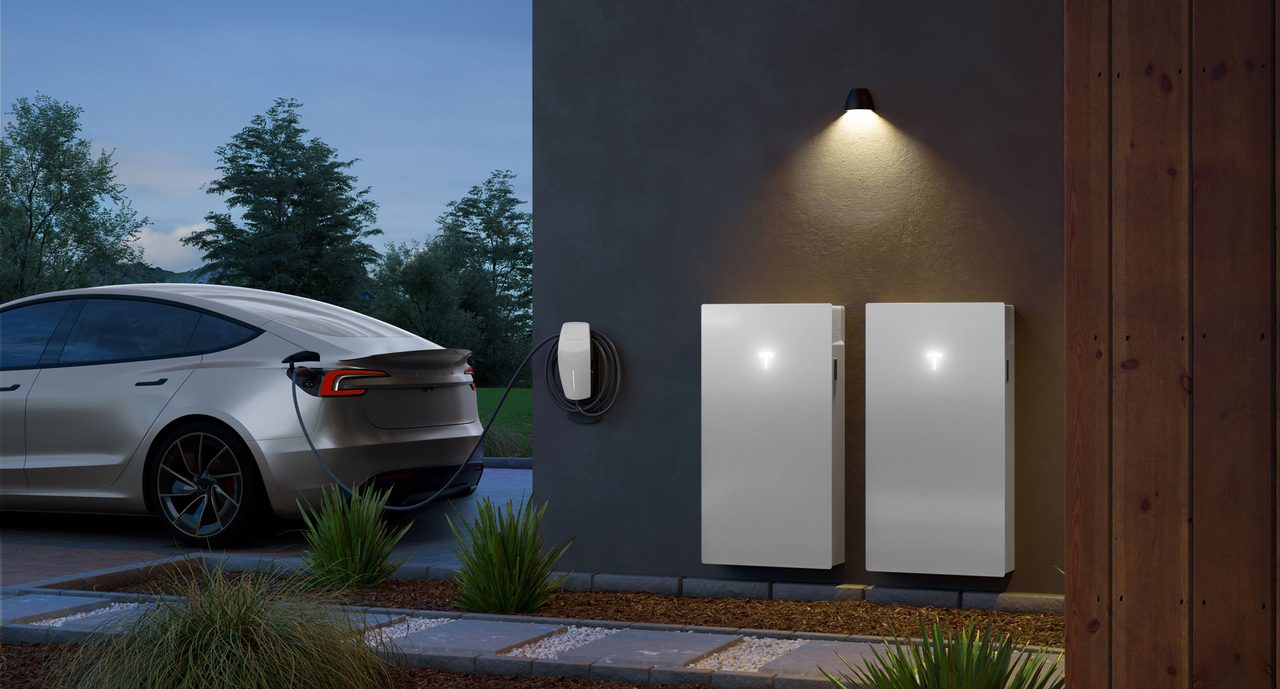
Battery Storage
The questions to ask before adding battery storage to a solar panel system.
Updated July 2026
Read the guide
Solar
Where surplus solar electricity goes, and the options for using more of it at home.
Updated July 2026
Read the guideIf you own your home and have a suitable roof, a conventional professionally installed solar system will normally generate far more. You can also check what energy grants may be available.
Get My Free Solar QuoteFree and no obligation. Move forward only when you are ready.