
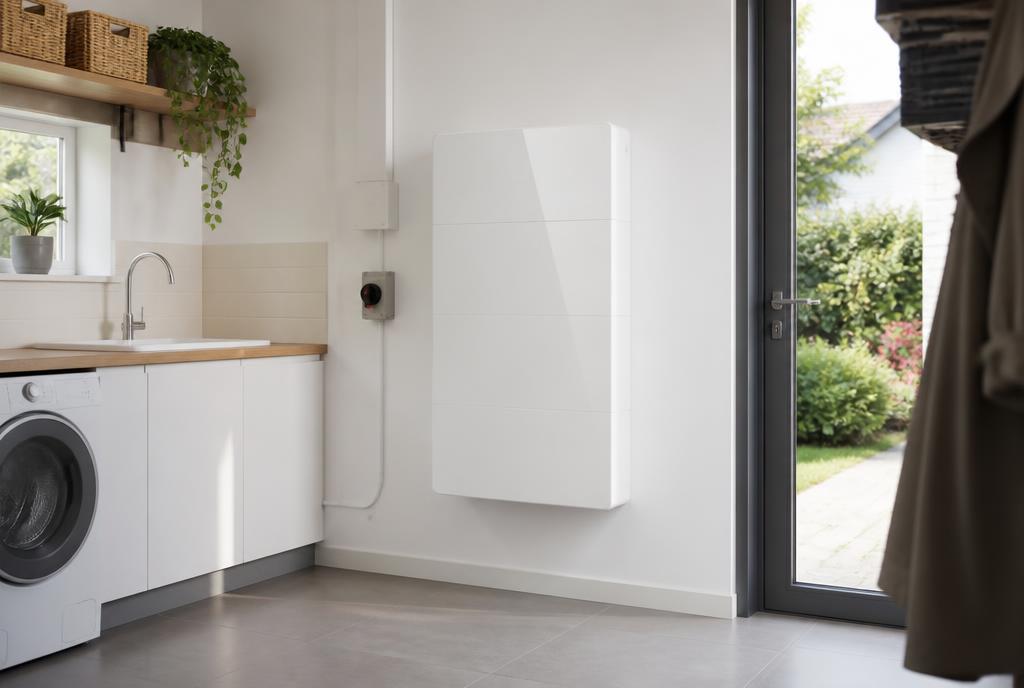
Battery Storage
Can you have a home battery without solar panels?
How a battery can charge from the grid without solar panels, and whether this setup suits your home.
Read the guide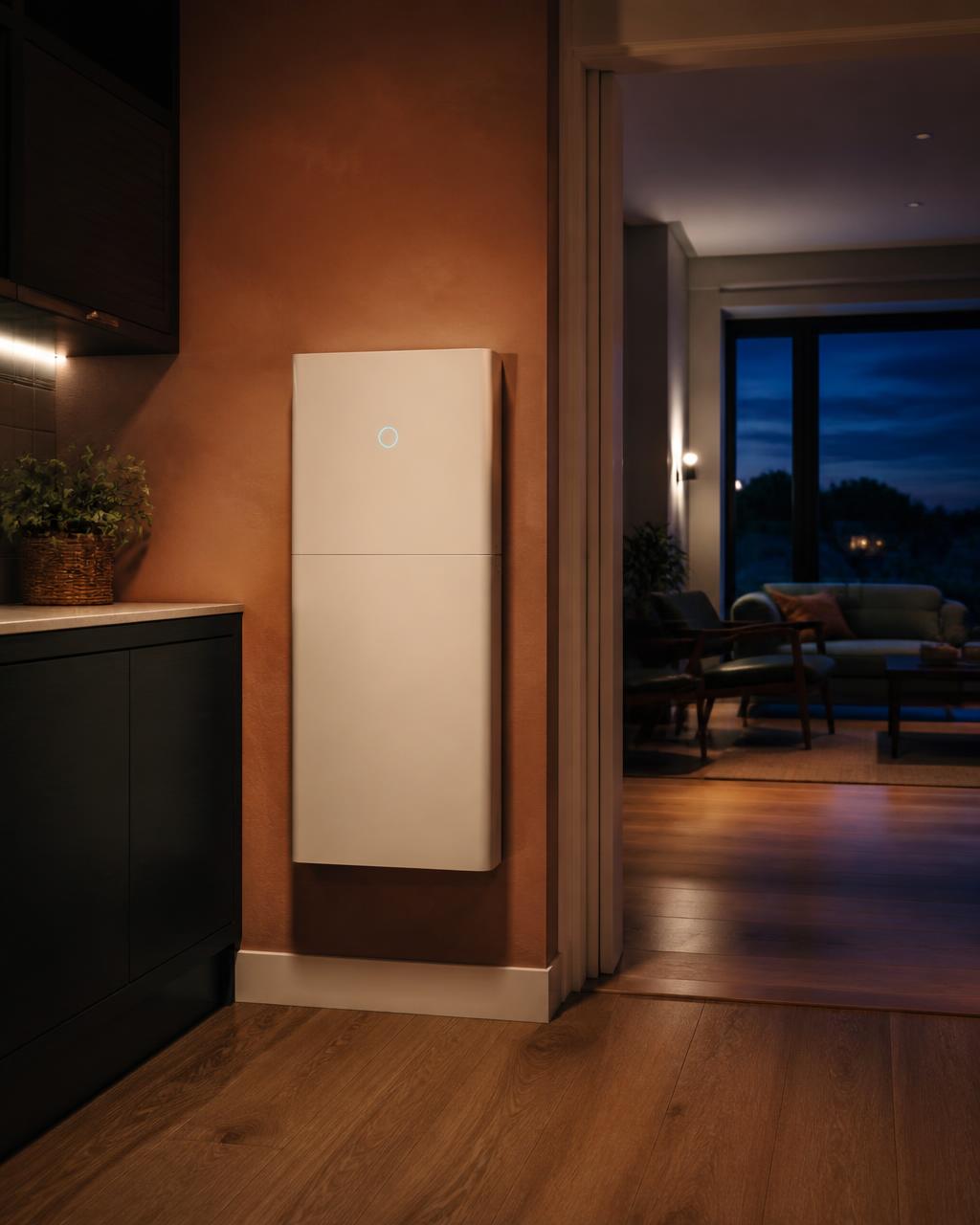
Home battery storage can help you make better use of your energy by storing electricity for use later, whether it comes from solar panels or the grid.
A home battery can potentially be useful both with and without solar panels. Horizon Living Group helps you understand your options and connects you with suitable renewable energy specialists.
Battery storage explained
A home battery is simpler than it sounds. It keeps electricity in reserve so your home can use it at a time that suits you. Charge. Store. Use.
The battery stores electricity from solar generation or, depending on the system and tariff, from the grid.
Energy remains available in the battery until your home needs it, ready for later in the day or overnight.
Your home can draw on stored electricity later, rather than relying entirely on electricity purchased from the grid at that moment.
How much a battery can store and when it charges depends on the equipment installed, your tariff and how your household uses electricity.
Solar and battery storage
Solar panels often generate more electricity during daylight hours than the home is using at that moment. A battery can retain the surplus for use later, so more of what your roof produces is used by your home rather than exported straight away.
A battery can often be added to an existing solar system too. The best approach depends on the inverter already installed and how the system is configured, which a specialist can assess for your property.
No solar panels required
Yes. Solar panels and batteries work well together, but a battery is not dependent on having panels on your roof.
Depending on the equipment and your tariff, a battery can potentially charge from the grid at selected times, for example alongside a time of use tariff, and provide that stored electricity later. Whether this suits you depends on your household usage, tariff and objectives.
Read our full guide to having a home battery without solar panels.
Check My Battery OptionsChoosing a battery
Battery capacity is simply how much electricity a battery can hold, measured in kilowatt hours. Think of it like the size of a water tank: a larger tank holds more, but only helps if your household can fill it and use it.
There is no single battery size that suits every household. A properly sized system reflects how your home actually uses energy, so you are not paying for capacity you do not need, or wishing you had chosen more.
A specialist can look at your usage, generation and plans, and recommend a capacity that fits your home rather than a generic package.
Battery costs
There is no single price for a home battery, because every installation is designed around an individual property and household. Pricing varies with the equipment chosen and the work involved, and market pricing changes over time.
The most reliable way to understand what battery storage might cost for your home is to have your property and usage assessed and receive quotes based on your circumstances.
Get a Battery Storage QuoteQuotes should always be specific to your property. Be cautious of any price given without an assessment of your electricity usage and existing setup.
An important distinction
Not automatically. Many homeowners assume a battery will keep the lights on during an outage, but that is not how every installation works.
If keeping power on during an outage matters to you, raise it at the quoting stage so the system can be designed with that requirement in mind.
Battery storage FAQs
Straightforward answers to the questions UK homeowners ask most often. Where the answer depends on your equipment, property, tariff or available support, we say so.
Yes. Some home battery systems can operate without solar and may potentially charge from the grid, depending on the equipment and your electricity tariff. Suitability depends on your household usage, tariff structure and objectives.
In many cases, yes. The best approach depends on your existing inverter, how the system is configured and the battery chosen. A specialist can assess your setup and explain the options.
It depends on your household electricity consumption, when you use it, whether you have solar, and plans such as EV charging or a heat pump. There is no single size that suits every home, so capacity should be considered alongside your actual usage.
Not automatically. Many standard systems switch off during an outage for safety reasons. Backup capability depends on the equipment, configuration and whether appropriate backup hardware has been installed, so raise it at the quoting stage if it matters to you.
Home batteries are designed for many years of daily use and typically come with manufacturer warranties covering a set period or number of charge cycles. Capacity gradually declines over time, which is normal for battery technology.
Battery storage guides
In depth guides from Horizon Living Group, written for homeowners rather than engineers.
Battery Storage
How a battery can charge from the grid without solar panels, and whether this setup suits your home.
Read the guide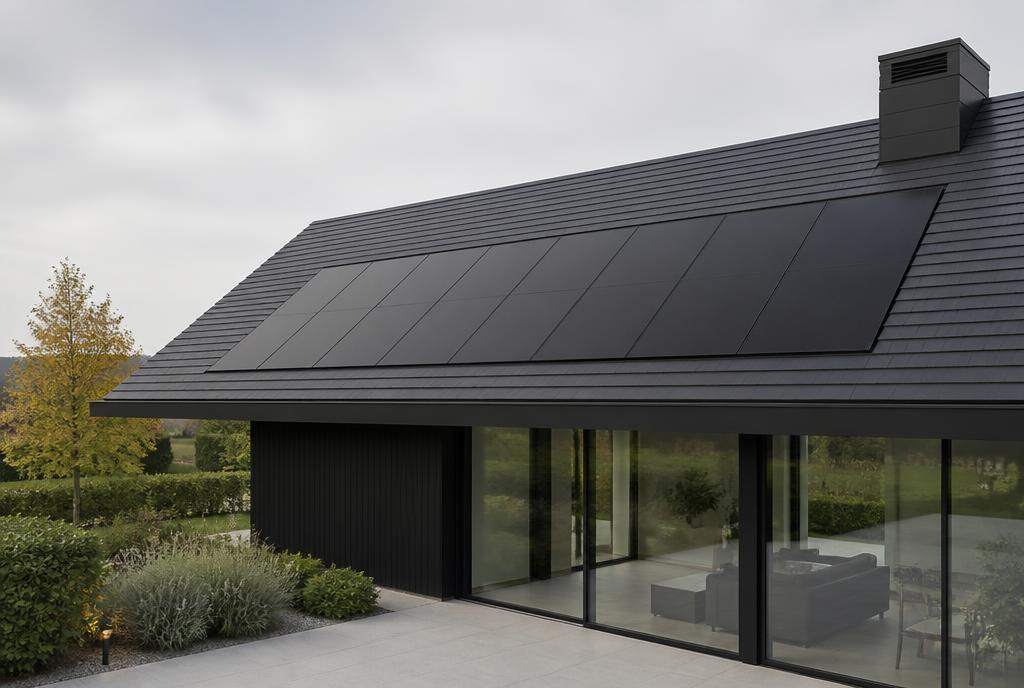
Battery Guides
The questions to ask before adding battery storage to a solar system.
Read the guideBattery Guides
What backup capability actually means, and why not every battery keeps the lights on.
Read the guide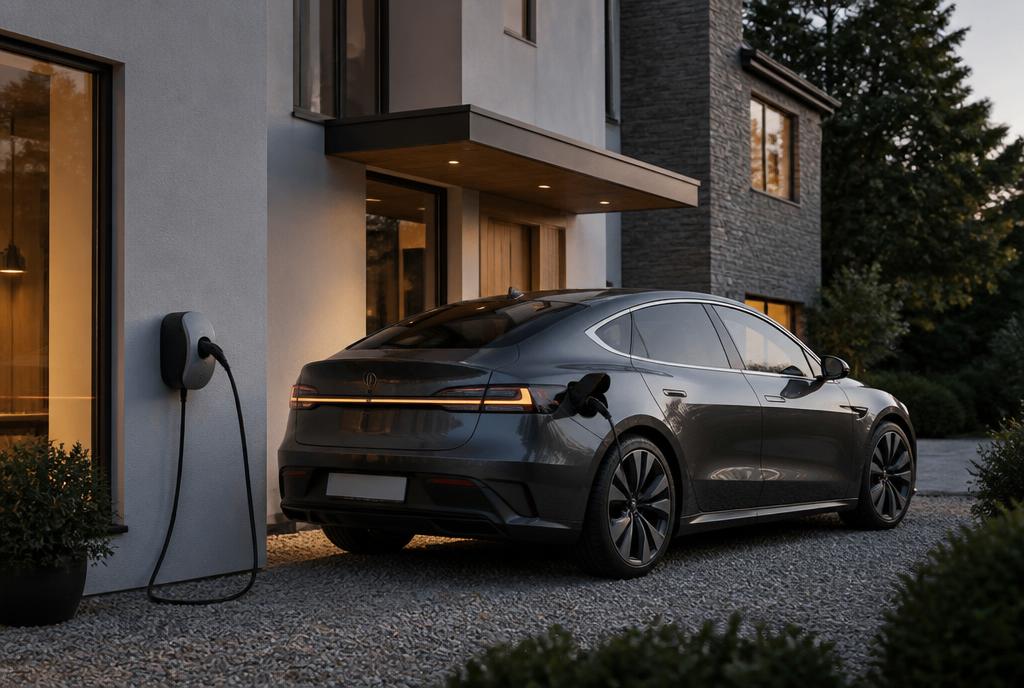
Smart Energy
How solar, batteries, EV chargers and tariffs can work together as one connected system.
Read the guideTell us a little about your property, your energy use and whether you already have solar. We’ll help you explore your options.
Get My Free Battery QuoteFree and no obligation. Move forward only when you are ready.