

EV Charging
Can solar panels charge an electric car?
How solar generation can contribute towards charging your EV, and what affects the result.
Read the guide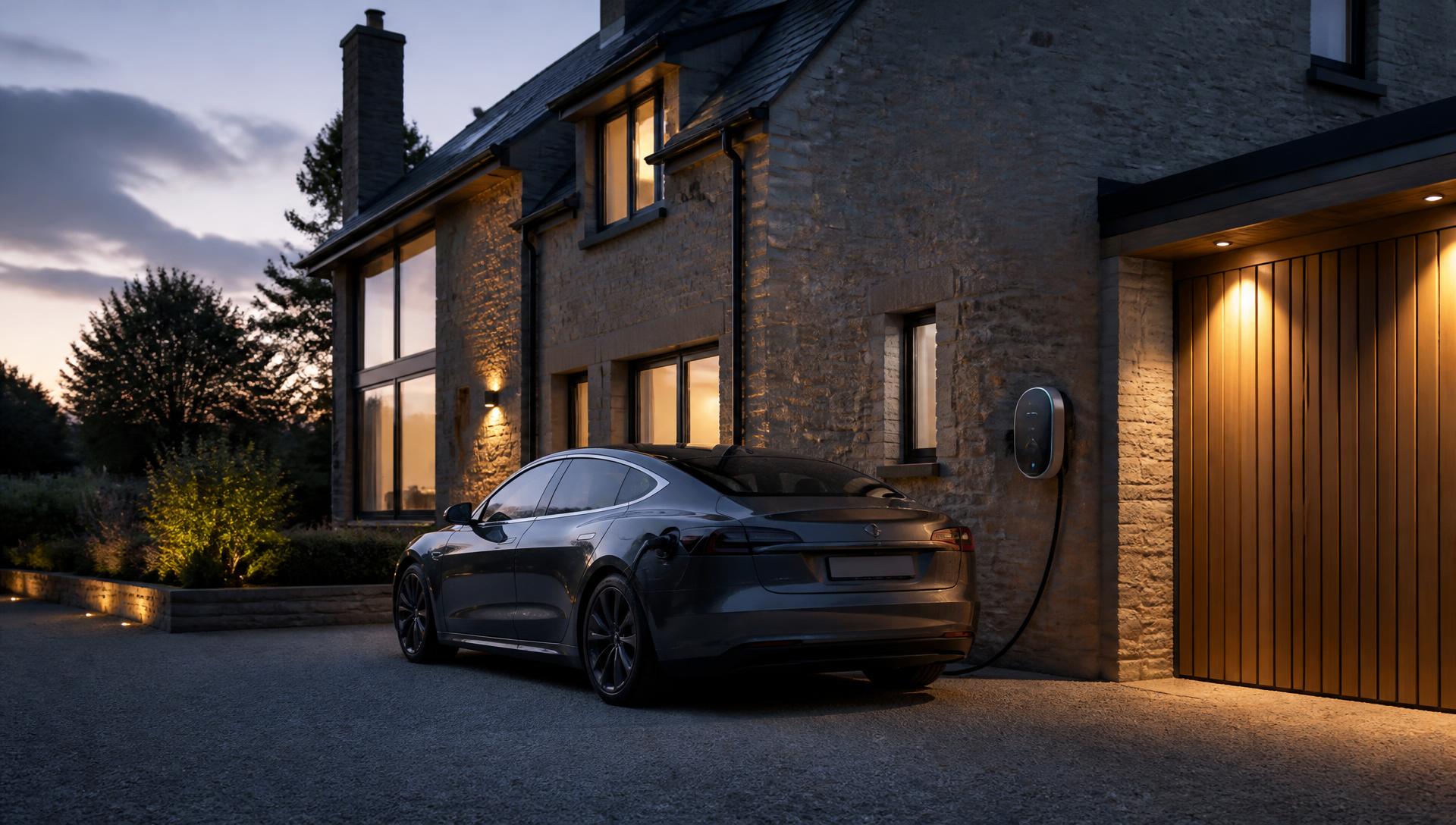
A dedicated home EV charger makes charging your electric car convenient, simple and part of everyday life. Discover the options available for your home and how EV charging can work alongside solar and battery storage.
Horizon Living Group helps you understand your options and connects you with suitable renewable energy specialists.
Home charging explained
Home charging is refreshingly simple. A dedicated charge point is installed at your property, and charging becomes part of parking. Plug in. Charge. Drive.
Connect your electric vehicle to your dedicated home charge point when you park.
The charger supplies electricity safely to the vehicle, according to the charger, vehicle and installation capabilities.
Charge at home when it suits you, so the vehicle can be ready when you need it.
Charging speed and features depend on the charger you choose, your vehicle and your home's electrical installation.
Charging speed
Most dedicated UK home chargers are rated around 7kW, which suits overnight charging for many households. Your actual rate is limited by the slowest part of the chain: the charger, your vehicle and your home's electrical supply. A specialist can confirm what your property can support before any work begins.
Many chargers are also smart, letting you schedule charging or control it from an app so it happens at the times that suit your household. Features vary between models.
Charging also naturally slows as the battery approaches full, which the vehicle manages automatically.
Is my home suitable?
Many UK homes can support a charge point, but suitability depends on the property, the electrical supply, your parking arrangement and the charger chosen. Your property should always be assessed before installation.
Check My EV Charging OptionsOff street parking such as a driveway, garage or dedicated space makes home charging straightforward for most properties.
Your consumer unit and supply need to support a charge point safely, and minor upgrades are sometimes needed.
The distance between the consumer unit and the parking space affects how neat and involved the installation is.
Houses are usually simplest. Flats, rented homes and leasehold properties generally need the owner's or freeholder's permission.
EV charging, solar and battery storage
With a compatible setup, some of the electricity generated by rooftop solar panels may contribute towards charging your vehicle rather than being exported to the grid. How much depends on your generation, when the car is parked at home and what else the household is using at the time.
Home battery storage can add flexibility, holding surplus energy for later in the day. Solar alone will not fully charge an EV year round, but together these technologies can work as part of one home energy system.
EV charger costs
There is no single price for a home charger installation, because the total reflects the equipment chosen and the work your property requires. Market pricing also changes over time.
The most reliable way to understand the cost for your home is to have the property assessed and receive a quote based on your circumstances, rather than relying on a generic figure.
Get an EV Charger QuoteA straightforward installation on a driveway near the consumer unit is usually simpler than one needing a long cable run or electrical upgrades.
Grants and support
UK support for EV charging tends to focus on particular situations, such as renters, flat owners, landlords and households without a private driveway, rather than everyone. Amounts and eligibility can change, so check the current position before making decisions.
Explore Energy GrantsEV charging FAQs
Straightforward answers to the questions UK homeowners ask most often. Where the answer depends on your vehicle, charger, property or available support, we say so.
It depends on the charger's power, your vehicle's own capability, the battery size and how full it already is. Many households charge overnight and find a typical dedicated home charger comfortably meets their daily driving needs.
Not every property is straightforward. Suitability depends on off street parking, your electrical installation, available capacity and the cable route. Flats, rented homes and leasehold properties involve additional permissions. Your property should be assessed before installation.
With a compatible setup, some solar generation can contribute towards charging your vehicle, and battery storage can add flexibility. The actual contribution depends on your generation, household demand and equipment, and solar alone will not fully charge an EV all year round.
It is technically possible in some cases, but it charges very slowly and is not designed for regular, prolonged charging. A dedicated charge point is designed for safe, everyday home charging.
UK support has changed over time and may apply to renters, flat owners, landlords or households without a driveway rather than everyone. Amounts and eligibility can change, so check current GOV.UK guidance or see our Energy Grants page.
EV charging guides
In depth guides from Horizon Living Group, written for homeowners rather than engineers.
EV Charging
How solar generation can contribute towards charging your EV, and what affects the result.
Read the guide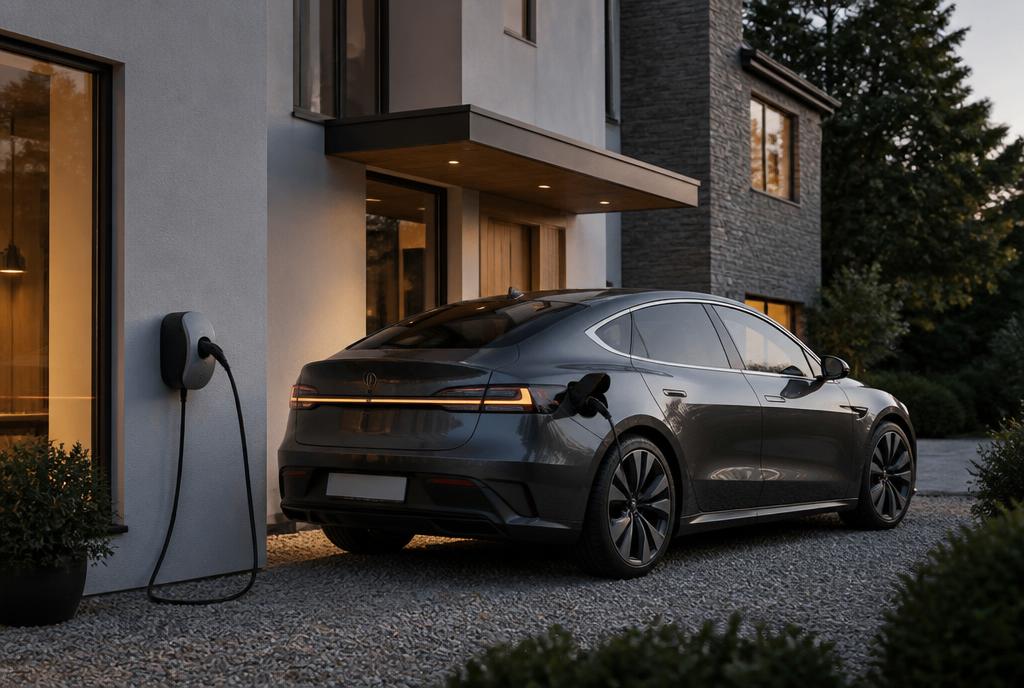
EV Charging
Home charge points designed around your lifestyle, including smart charging technology.
Read the guide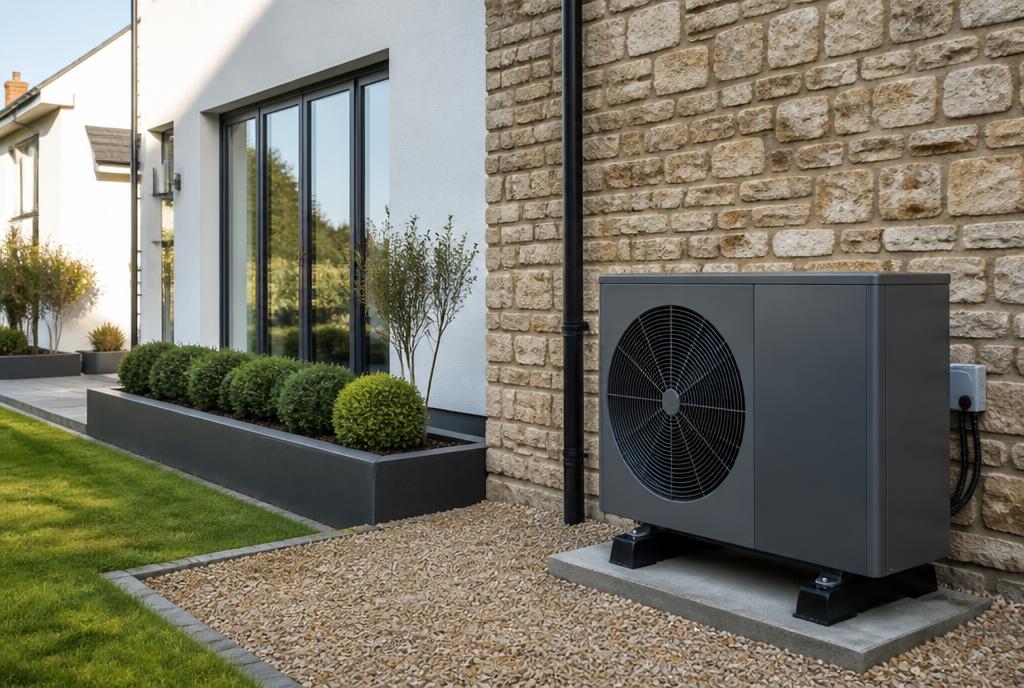
Smart Energy
How solar, batteries, heat pumps, EV chargers and tariffs can work together as one system.
Read the guideTell us about your property and electric vehicle and we’ll help you explore suitable home charging options.
Get My Free EV Charger QuoteFree and no obligation. Move forward only when you are ready.