
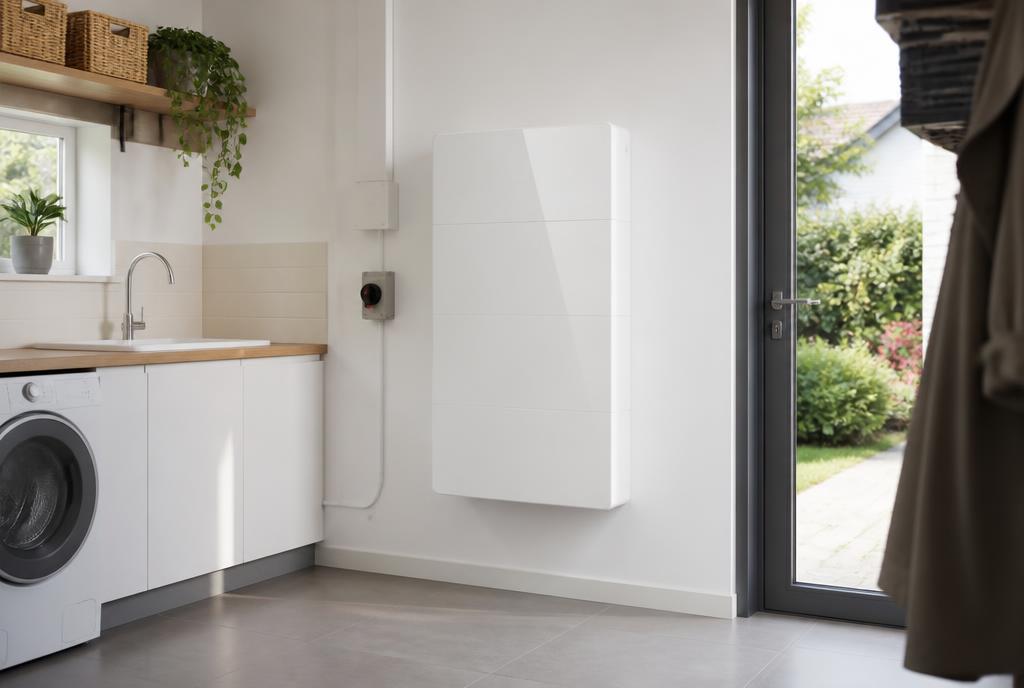
Battery Storage
Can You Have a Home Battery Without Solar Panels?
Yes. A home battery does not need solar panels to work. It can charge from the grid and store electricity for when you need it. This guide explains how grid-only battery storage works, who it suits and what to weigh up before buying.
Updated: 19 September 2026
Quick answer
- Yes. A home battery can be installed without solar panels and charge directly from the grid.
- It stores electricity when rates are lower, such as on an overnight or off-peak tariff, and lets you use it during more expensive peak periods.
- You need a compatible battery and inverter, a suitable electrical supply, and ideally a time-of-use tariff to make the economics worthwhile.
- Typical home batteries range from around 5 kWh to 15 kWh of usable capacity. The right size depends on your daily usage and tariff.
- Savings depend on the gap between off-peak and peak rates, how much stored electricity you use at peak times, and the battery's round-trip efficiency.
- Solar panels can usually be added later if the battery and inverter are designed for it.
How does a home battery work without solar panels?
Without solar panels, the battery does not store energy generated on your roof. Instead, it draws electricity from the grid through your meter, stores it as DC power, and converts it back to AC power when your home needs it.
An inverter manages the flow of electricity. A control system or app tells the battery when to charge and when to discharge. On a grid-only setup, the most common strategy is to charge when electricity is cheap and discharge when it is expensive.
Not every battery system supports grid-only charging out of the box. Some are sold primarily as solar batteries and may need a specific inverter or software configuration to charge from the grid alone. Always confirm with the installer or manufacturer before buying.
Time-of-use tariffs
Charging from the grid and using cheaper overnight rates
A battery makes most sense when your electricity tariff charges different rates at different times of day. These are often called time-of-use, multi-rate or off-peak tariffs. They offer cheaper electricity overnight or at set low-demand periods, with higher rates during peak hours.
The battery charges during the cheap period and then powers your home during the expensive period. The bigger the gap between the cheap rate and the peak rate, the more value you can extract from each kilowatt-hour stored.
You will need a tariff that supports this, a smart meter capable of recording half-hourly usage, and a battery system that can be programmed to charge and discharge automatically. Tariff availability and rates vary by supplier and region, so check the current market before deciding.
Peak shaving
Using stored electricity during expensive peak periods
The main financial benefit without solar is avoiding peak-rate electricity. If you discharge the battery during the expensive evening peak, you effectively replace imported units with stored units bought at the cheaper rate.
The saving per kilowatt-hour is roughly the peak rate minus the off-peak rate, minus the energy lost in the charge-discharge cycle. Round-trip efficiency is typically in the range of 85% to 95%, meaning some energy is lost as heat during conversion and storage.
On a flat-rate tariff, there is little or no price gap to exploit, so a battery will not reduce your bill meaningfully. It may still offer other benefits, such as backup power, but the economics are harder to justify.
Who this suits
Typical battery sizes and who a grid-only setup suits
Home batteries commonly offer between around 5 kWh and 15 kWh of usable capacity. A smaller battery might cover a few hours of evening lighting, appliances and device charging. A larger battery can support higher consumption, electric heating or overnight EV charging.
A grid-only battery is more likely to suit you if:
- You are on, or can switch to, a time-of-use tariff with a useful off-peak rate
- You use a meaningful amount of electricity during peak evening hours
- You want backup power and choose a system that supports it
- You plan to add solar panels later and want a solar-ready battery
It is less likely to pay off if you have low electricity consumption, are locked into a flat-rate tariff, or expect a short payback period. As always, get a tailored quote and savings estimate before committing.
What to weigh up
Costs, savings considerations and limitations
A standalone battery installation typically costs from a few thousand pounds upwards, depending on the capacity, brand, installer and any electrical upgrades needed. We do not publish a single price because the market changes and every installation is different.
Savings are not guaranteed. They depend on the tariff structure, how much stored energy you actually use at peak times, round-trip efficiency, standby losses, and how the battery degrades over time. A system that looks attractive on paper can underperform if your usage pattern does not match the assumptions.
Other limitations to consider:
- Not all batteries include backup power as standard
- Some systems lose warranty coverage if used purely for grid-charging
- Battery capacity falls gradually over years of use
- You may need a smart meter, app subscription or firmware updates
- Grid-charging still draws fossil-fuel generated electricity at certain times, so environmental benefits are smaller than with solar
Future proofing
Can solar panels be added later?
Often yes. Many battery systems are described as solar-ready, meaning they can accept DC power from solar panels later. Adding panels usually also means adding a solar inverter or hybrid inverter, and the existing battery may need its settings updated.
If your long-term plan includes solar, tell the installer upfront. Choosing a solar-ready battery and inverter from the start can reduce the amount of electrical work needed later. See our solar PV guide for what is involved in a typical installation.
Next steps
Getting advice on a grid-only battery
Start by checking whether your current or available tariffs support time-of-use billing. Then speak to a suitably qualified installer who can assess your electrical setup, size the battery properly and confirm which systems can charge from the grid alone.
You can also read our broader battery storage overview, explore funding options on our energy grants page, or browse more renewable energy guides.
If you would like to explore options from suitable renewable energy specialists, check your battery options through Blue Ape Renewables.
FAQs
Common questions about batteries without solar
Do I need solar panels to have a home battery?
No. A home battery can be installed and used without solar panels. It charges from the grid and stores electricity for later use. Solar panels are helpful, but not required.
Will a battery save money on a standard variable tariff?
Usually only modestly, if at all. The savings mainly come from charging at a cheaper off-peak rate and discharging during a more expensive peak rate. On a flat tariff the price gap is small or zero, so there is little to arbitrage.
Can a home battery provide backup during a power cut?
Only if the system is specifically designed and installed for backup power. Many grid-only batteries do not include backup capability without additional switchgear and wiring. Ask the installer whether emergency power supply is included before assuming it is.
What size battery do I need without solar panels?
Typical home batteries range from around 5 kWh to 15 kWh of usable capacity. The right size depends on your evening and overnight electricity use, the size of the peak-to-off-peak price gap, and whether you want backup. An installer or energy assessor can size this properly.
Can I add solar panels to a grid-only battery later?
Often yes, but only if the battery and inverter are designed to accept solar input. Some systems are sold as solar-ready, while others may need replacement or additional equipment. Plan for this before installation if it is part of your goal.
Are there grants for battery-only storage?
Most UK energy grants focus on heat pumps, insulation, solar panels or electric vehicles. Standalone battery storage without solar is rarely grant-funded. Check the current rules on our energy grants page or through official sources such as GOV.UK.
Related Horizon Living guides
Keep reading
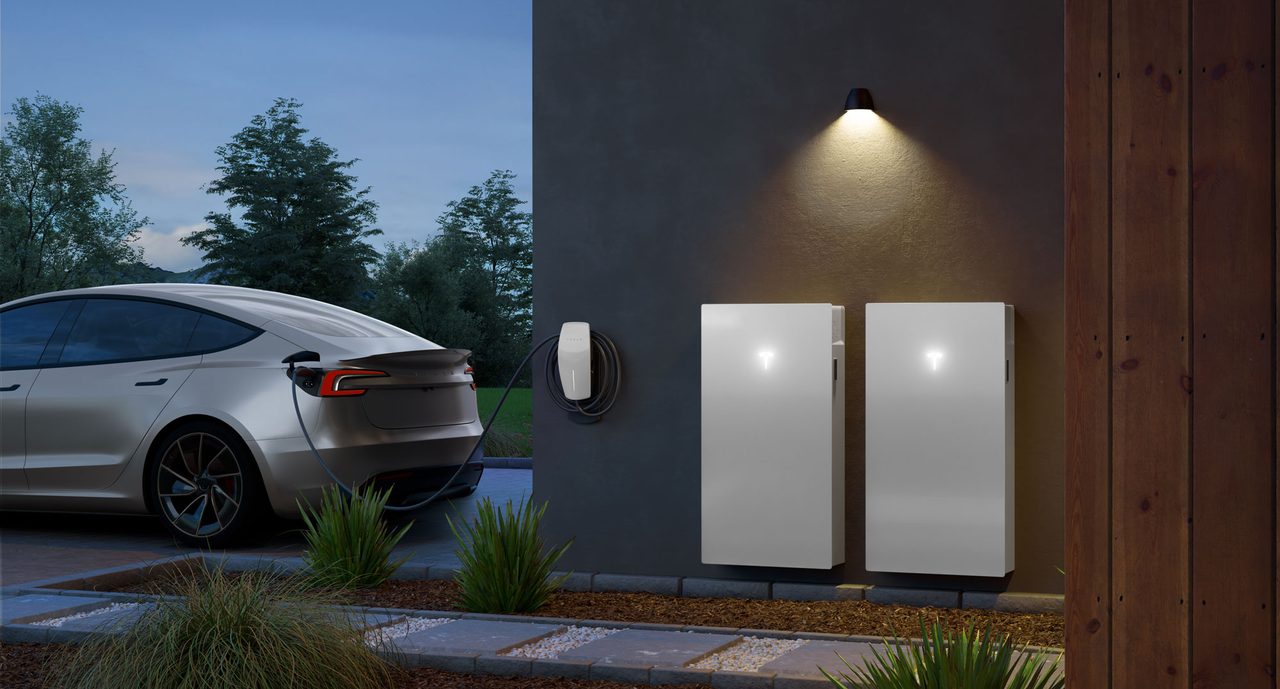
Battery Storage
Are solar batteries worth it in the UK?
The questions to ask before adding battery storage to a solar panel system.
Updated July 2026
Read the guide
Battery Storage
Do home batteries work during power cuts?
What backup capability actually means, and why not every battery keeps the lights on.
Updated July 2026
Read the guide
Smart Energy
What is a smart energy home?
How solar, batteries, heat pumps, EV chargers and tariffs can work together as one connected system.
Updated June 2026
Read the guide